Zandora Pest EliminationZandora Pest Elimination

Bed Bug Heat and Chemical Remediation Denver

Structural pest control for parasitic insects requires methodical management rather than reactionary surface sprays. In older homes along Quaker Hill and ranch-style foundations in Meadowbrook Acres, bed bugs exploit…
Get My Free Estimate →
Bed Bug Heat and Chemical Remediation in Denver, DE
Quick answer
  • Service scope: Visual inspection, thermal perimeter elevation to 120, 135 degrees Fahrenheit, targeted EPA-registered residual applications, and mattress encasement installation.
  • Deployment speed: Diagnostic dispatch within 24 to 48 hours across Kent County, with heat procedures requiring 6 to 10 hours of active monitoring.
  • Cost structure: Baseline diagnostic visits begin at $150, single-room liquid applications range from $300 to $650, and full-structure thermal remediations run from $1,200 to $3,500 based on square footage.
  • Targeted materials: Mattresses, box springs, baseboards, behind electrical faceplates, upholstered furniture, floor joints, and structural wall framing.
  • Scheduling process: Confirmed by an initial phone consultation followed by an on-site structural biology assessment.

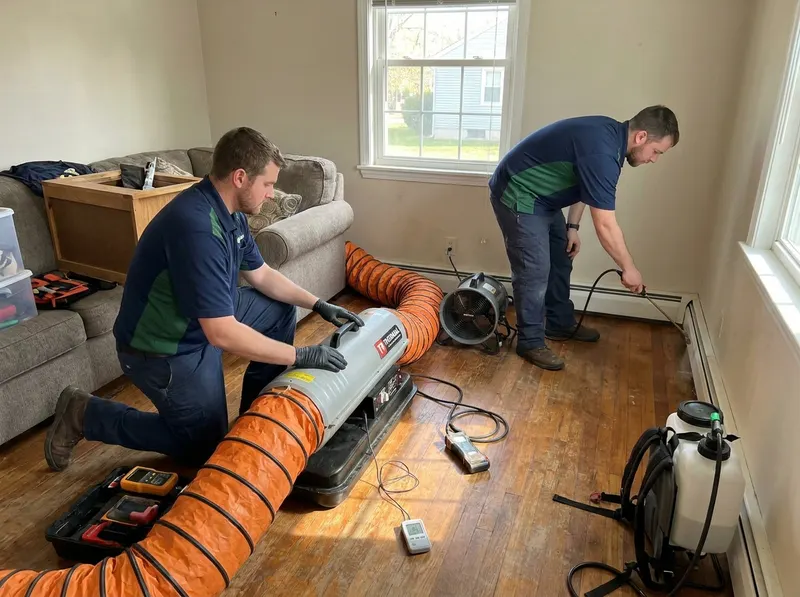
Structural pest control for parasitic insects requires methodical management rather than reactionary surface sprays. In older homes along Quaker Hill and ranch-style foundations in Meadowbrook Acres, bed bugs exploit plaster fissures, subfloor gaps, and baseline insulation. Thermal remediation introduces specialized electric or indirect-fired heating units that elevate the ambient indoor temperature to between 120°F and 135°F. This thermal threshold denatures bed bug proteins at every biological stage, neutralizing adults, nymphs, and eggs within six hours. Because convective heat penetrates deep into hollow furniture legs and structural framing, it reaches micro-harborages that conventional surface contact insecticides miss.

Targeted chemical remediation serves as the secondary barrier or as a standalone option for contained populations. In multi-unit properties in the Moores Lake District or modern builds in Derby Run, liquid residuals and desiccant dusts (such as amorphous silica gel) are injected into switch plates, wall voids, and door jambs. While thermal remediation requires no chemical footprint and resolves infestations in a single operational day, it requires significant electrical draw and temporary relocation of heat-sensitive electronics and belongings. Chemical treatments allow residents to leave sensitive items in place, but biological incubation cycles necessitate two to three targeted follow-up applications spaced 14 days apart to address newly emerged instars.

Homeowners in Willow Run, Briar Park, Garrison Lake Green, and the Rodney Village Area can select protocols matched directly to occupancy demands, floor plans, and material vulnerabilities. A physical assessment establishes the precise harborages before treatment begins, eliminating unnecessary chemical exposure and avoiding predatory recurring service contracts. Remediations are executed systematically using Integrated Pest Management guidelines to return domestic stability and biological safety to the residence.

Bed Bug Heat and Chemical Remediation cost in Denver

Baseline Diagnostic & Egg Inspection$150, $225
Single Room Targeted Chemical Application$300, $650
Multi-Room Chemical Barrier (2, 3 Visits)$750, $1,400
Whole-Home Thermal Treatment (under 1,500 sq ft)$1,200, $2,200
Whole-Home Thermal Treatment (1,500, 3,000 sq ft)$2,200, $3,500

Every job gets a firm, written price after a free on-site visit.

Common questions

How much does bed bug heat and chemical remediation cost in Denver, DE?
Diagnostic evaluations start at the $150 baseline minimum, targeted chemical applications average $300 to $650 per room, and full-home convective heat remediations typically range from $1,200 to $3,500 depending on total square footage and clutter density in Denver, DE homes.
How long must residents leave a home during thermal remediation in Denver?
Thermal treatments in Denver structures require residents and pets to vacate for 6 to 10 hours while technicians maintain internal core temperatures at 120°F to 135°F and cool the structure safely.
Does chemical bed bug treatment require multiple visits to Denver properties?
Yes, standalone chemical remediation in Denver properties typically requires two to three visits spaced roughly two weeks apart to eradicate newly hatched nymphs, as chemical residuals rarely penetrate egg shells.
Which bed bug method is suitable for historic structures in the Denver area?
Historic homes near the Quaker Hill district often benefit from low-pressure chemical and desiccant dust applications inside voids to prevent warping antique woodwork or stressing older thermal envelopes with sustained convective heat.
Are personal items damaged by bed bug heat treatments in Denver?
Standard household items remain safe during Denver heat treatments, though heat-sensitive materials including candles, vinyl blinds, oil paintings, aerosol cans, and specific electronics must be removed prior to system startup.
Helpful resources

Trusted references & local links

USA.gov, government & consumer helpBetter Business BureauFTC Consumer AdviceU.S. Small Business AdministrationReady.govU.S. EPAENERGY STARU.S. Dept. of EnergyConsumer.govU.S. Census BureauGoogle Maps, Denver, DE

Get started today

Tell us about your bed bug heat and chemical remediation job in Denver and we'll send a clear, written quote, usually the same day.

Get your free PEST CONTROL SEVICE quote, Denver

We only use your ZIP to check availability, no spam.